

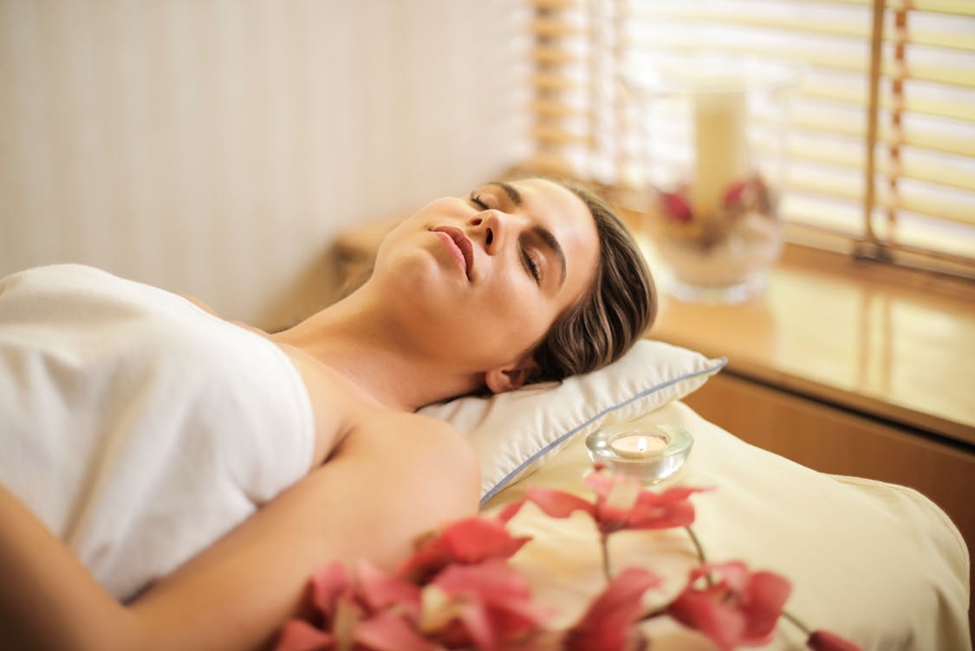
Stress has quietly become part of everyday life. Between busy schedules, constant notifications, and the pressure to keep up with work and responsibilities, many people feel mentally exhausted before the day even ends. The good news is that reducing stress doesn’t always require expensive wellness retreats or complicated routines.
In fact, small lifestyle changes can make a meaningful difference. By incorporating a few simple habits into your routine, you can create moments of calm that help reset your mind and body. Below are five practical strategies that can help you relax more and manage stress more effectively.
1. Move Your Body to Release Tension
Physical movement is one of the most reliable ways to relieve stress. When you exercise, your body releases endorphins—chemicals that naturally improve mood and reduce tension. Even moderate activity can help your mind feel clearer and calmer.
The good news is that exercise doesn’t have to mean intense workouts at the gym. Simple activities can be just as effective. For example:
- Taking a brisk walk in your neighborhood
- Riding a bike after work
- Practicing yoga or stretching
- Dancing to your favorite music at home
The key is consistency rather than intensity. Regular movement helps your body release built-up tension and improves overall mental well-being.
2. Practice Mindfulness to Stay Present
Many people feel stressed because their thoughts constantly jump between past worries and future responsibilities. Mindfulness helps bring your attention back to the present moment.
Mindfulness meditation doesn’t need to be complicated. Even a few minutes of focused breathing can help calm your mind and slow racing thoughts.
You can practice mindfulness in simple ways, such as:
- Paying attention to your breathing for a few minutes
- Doing a quick body-scan relaxation exercise
- Taking a mindful break while drinking tea or coffee
These short pauses help interrupt stress cycles and allow your brain to reset. Over time, mindfulness can make it easier to recognize stress before it becomes overwhelming.
3. Create Personal Relaxation Rituals
Everyone benefits from having a small ritual that signals the end of a busy day. These routines help your brain transition from productivity mode into relaxation mode.
A relaxation ritual doesn’t need to be elaborate. It could be something as simple as:
- Taking a warm bath
- Lighting a scented candle or using essential oils
- Reading a book before bed
- Enjoying a quiet cup of tea
Aromatherapy scents like lavender and chamomile are often used to create a calming environment, which can help reduce stress levels and promote relaxation.
The most important part is making this time consistent. When you repeat the same relaxing activity regularly, your brain begins to associate it with rest and recovery.
4. Stay Connected With Other People
Human connection is one of the most powerful tools for managing stress. Talking with someone you trust can help you process emotions and gain perspective on difficult situations.
Spending time with friends or family doesn’t have to involve big plans. Simple interactions can make a big difference, such as:
- Meeting a friend for coffee
- Having dinner with family
- Calling someone you trust when you feel overwhelmed
- Joining a hobby group or community activity
Strong social connections provide emotional support and remind us that we don’t have to handle stress alone. Meaningful relationships can significantly improve mental well-being and resilience.
5. Prioritize Self-Care and Healthy Habits
Self-care is often misunderstood as luxury spa days or expensive treatments. In reality, the most effective self-care practices are often simple and practical.
Healthy habits that support relaxation include:
- Getting enough sleep each night
- Eating balanced meals
- Setting boundaries to avoid burnout
- Making time for hobbies you genuinely enjoy
Even small pleasures—such as watching your favorite show, listening to music, or reading for fun—can help recharge your mental energy. These activities give your mind a break from constant productivity and allow you to relax without guilt.
Why Small Changes Matter
Stress management doesn’t require perfection. The goal isn’t to eliminate stress entirely, but to develop habits that help you respond to it more effectively.
Research shows that practices such as physical activity, mindfulness, social connection, and relaxation techniques can all help lower stress levels and improve overall well-being.
When combined, these small habits create a powerful toolkit that supports both mental and physical health.
Final Thoughts
Life will always bring challenges, deadlines, and responsibilities. But relaxation doesn’t have to wait until a vacation or a special occasion.
By incorporating simple practices like movement, mindfulness, personal rituals, meaningful connections, and self-care, you can create moments of calm within even the busiest schedule.
Start small, experiment with what works best for you, and remember that caring for your mental well-being is not a luxury—it’s a necessity. Over time, these small changes can help you feel more balanced, focused, and resilient in the face of everyday stress.