

Swedish pop star Zara Larsson has landed the cover of i‑D Magazine’s 2026 issue, marking another milestone in her rising cultural influence. The feature blends fashion, music, and personal insight into an interview and photo spread that feels remarkably honest, expressive, and reflective of her creative evolution.
Rather than simply showcasing style or promoting a new project in passing, Zara’s i‑D cover story explores how her artistic identity intersects with fashion, confidence, and self‑expression — all wrapped in the bold visual language that the magazine is known for.
A Cover That Captures Presence and Personality
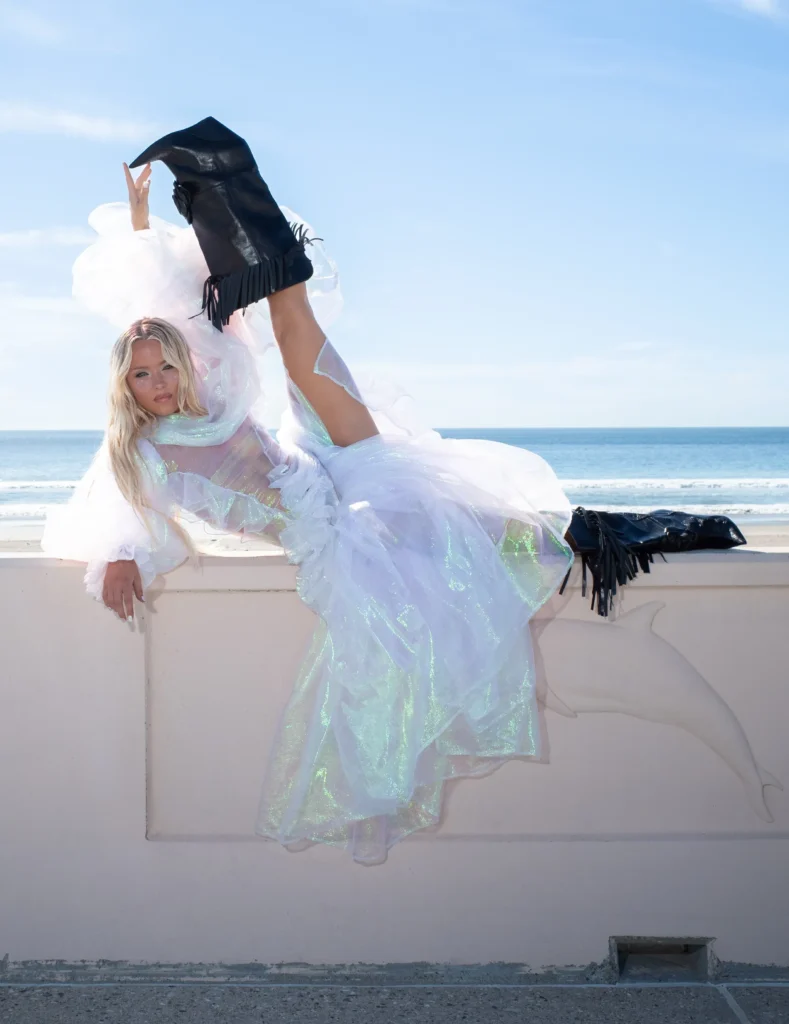
From the first glance, Zara Larsson’s i‑D cover feels magnetic. The imagery is striking, bold, and unapologetically present — a visual narrative built around confidence rather than convention. Instead of opting for subdued tones or safe poses, the shoot embraces tension, attitude, and visual energy.
The cover photograph uses dynamic framing, expressive styling, and a sense of motion to create an image that feels alive rather than staged. It’s a reminder that this magazine’s covers often go beyond surface glamour — they capture essence.
The styling blends bold fashion sensibilities with Zara’s own presence, making the cover feel like a true collaboration between artist and creative direction, rather than a simple promotional portrait.
Style That Speaks
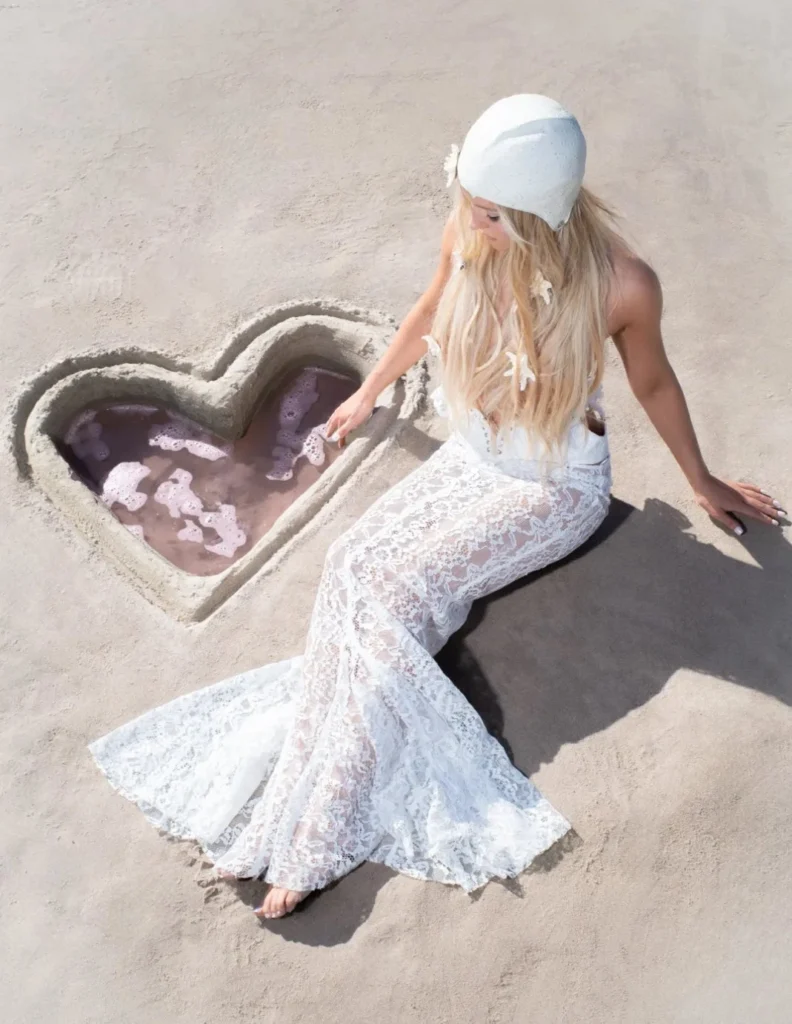
The fashion direction throughout the feature reflects both contemporary trends and Zara’s personal aesthetic. Outfits range from minimalist chic to bold statement pieces, but every look feels intentional and true to her personality.
Rather than strict fashion tropes, the styling leans into identity — clothes that express rather than impress. There’s a visual confidence in the way garments are worn, layered, and combined. This is fashion that feels lived in rather than put on for photo effect.
Accessories, textures, and silhouettes all play a role, but they’re never the main event. Instead, garments become tools for personal expression — amplifying the narrative rather than detracting from it.

The Interview: Insightful, Honest, and Reflective
The written portion of the i‑D feature captures Zara Larsson at a moment of clarity and creative self‑awareness. Far from a typical press interview, this conversation feels reflective and deeply personal. She speaks about her artistic evolution, her relationship with fashion, and how confidence has shaped both her career and her sense of self.
One of the prevailing themes in the piece is authenticity — the idea that creativity thrives when it’s grounded in truth rather than performance. Zara discusses her journey not as a straight line, but as an ongoing process of exploration — musically, stylistically, and personally.
Her tone is candid. She doesn’t shy away from discussing pressure, expectation, and the ways in which public perception can feel both inspiring and challenging. Yet in every answer, there’s a sense of agency — a belief that fashion, music, and self‑presentation are tools for navigating identity, not defining it.
This depth of conversation is part of what makes the i‑D feature compelling. It doesn’t merely scratch the surface of celebrity persona; it invites readers into a nuanced perspective.

Fashion and Identity: An Ongoing Dialogue
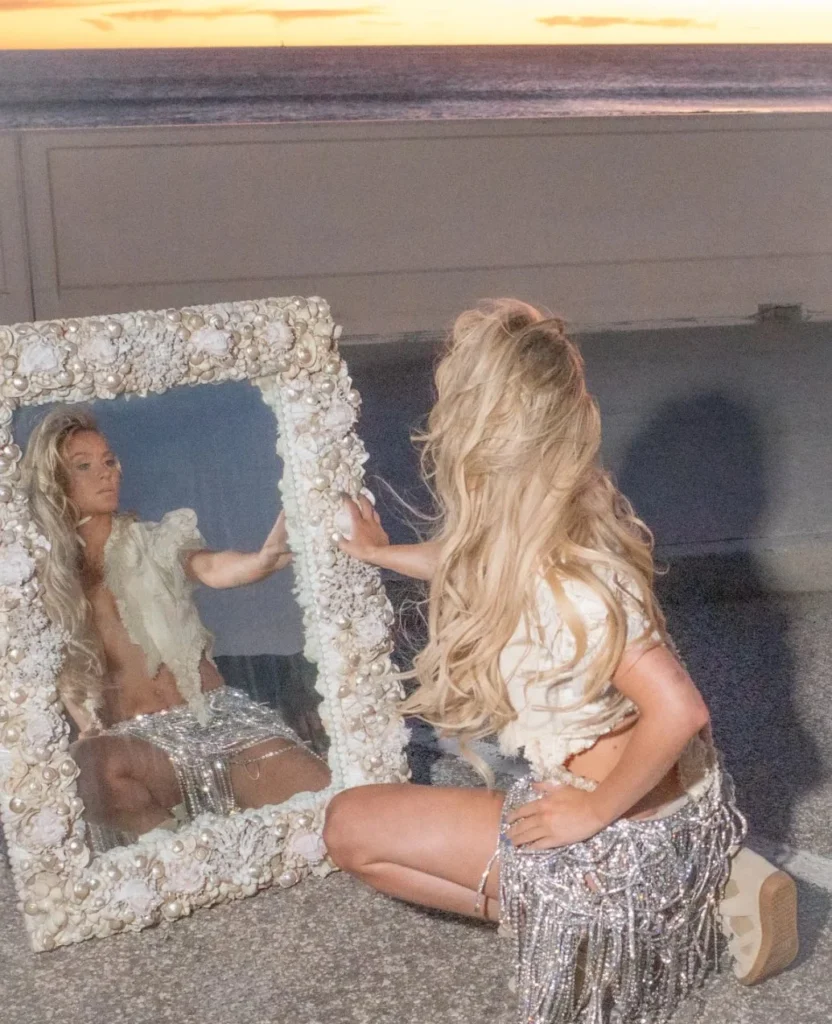
Throughout the photos and text, one idea recurs: fashion and identity are in constant dialogue. Zara’s relationship with style is not static or purely aesthetic — it changes with context, mood, and intent.
She speaks about how garments can amplify emotion, how texture and silhouette can shape presence, and how personal confidence often comes from comfort rather than conformity.
In this light, fashion becomes less about trend and more about narrative — about how clothes can narrate ideas, states of mind, and creative intention.
This philosophy aligns with i‑D magazine’s creative ethos: that fashion is not solely performance, but a language.
Confidence Beyond Appearance
A key takeaway from Zara’s interview is her evolving view on confidence. Rather than seeing it as a static trait, she describes it as something that fluctuates — influenced by context, experience, and intention.
She talks about how early career moments felt heavy with expectation, how outfits once carried symbolic weight, and how fashion sometimes felt like performance rather than expression.
Today, she views confidence as agency — something that arises from being present, truthful, and creatively engaged. This perspective shines through both the interview and the styling: fashion isn’t frightful or intimidating, it’s expressive and personal.
This shift from performance to presence resonates with how many contemporary creatives think about self‑presentation. It’s a dialogue about agency, narrative, and intention — not just appearances.
The Visual Narrative: Bold, Playful, and Unapologetic
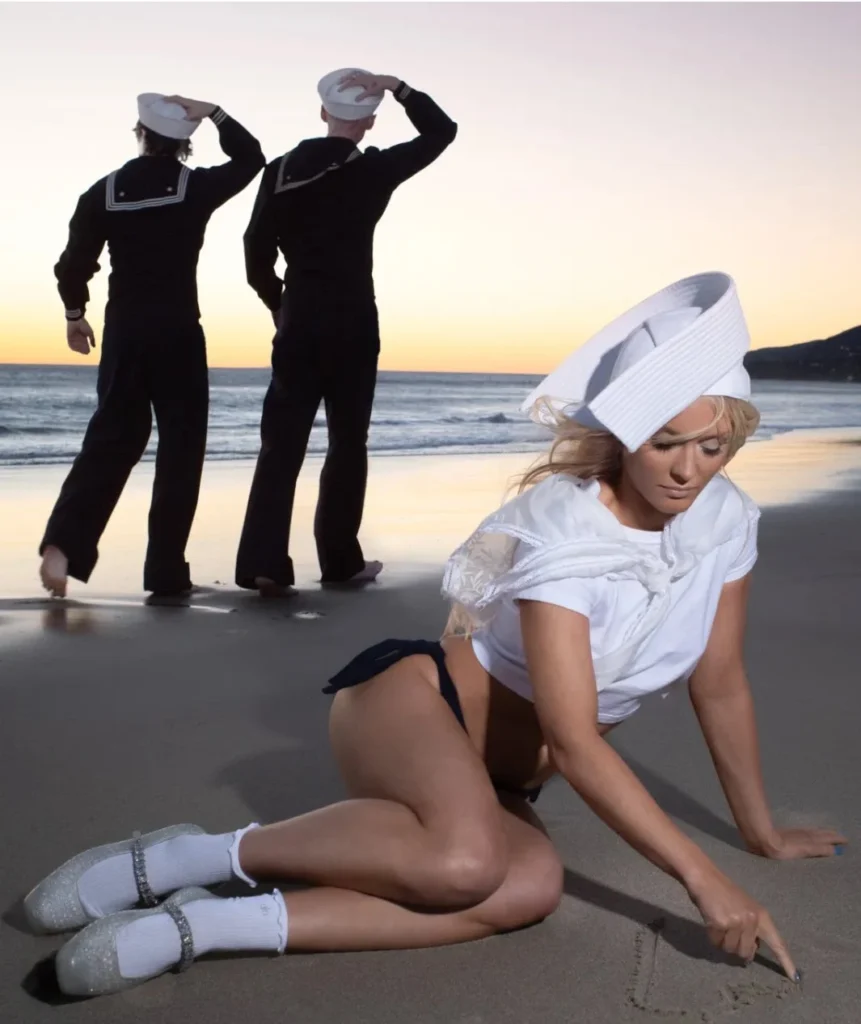
Visually, the i‑D spread plays with scale, shape, and movement. Instead of static compositions, there’s a sense of motion — as if each frame captures not just an outfit, but a moment in a broader creative story.
Texture and contrast also play a role. Outfits range from structured tailoring to relaxed silhouettes, each contributing to the feature’s visual diversity. Rather than a single “look,” the spread feels like a visual journey — a layered exploration of how personality and fashion intersect.
What ties every image together is presence. Zara’s gaze, posture, and energy create continuity even as garments shift between styles and moods.
This cohesion — between personality, narrative, and design — is what makes the feature memorable.
Why This Feature Matters
In a cultural moment where celebrity fashion often feels transactional — clothing as marketing tool, trend signal, or brand endorsement — Zara Larsson’s i‑D feature feels different.
It’s not about trend forecasts or seasonal highlights. It’s an exploration of identity, presence, and creative confidence.
The imagery and interview together create a story that feels reflective rather than promotional. Zara’s fashion choices become narrative instruments rather than product showcases. Her words communicate self‑awareness, curiosity, and a grounded approach to creation.
This makes the feature relevant not just to fans of fashion or music, but to anyone interested in how public figures navigate identity, expression, and creative growth.

Final Thoughts
Zara Larsson’s i‑D Magazine cover story for 2026 offers a thoughtful glimpse into the intersection of fashion, personality, and creative confidence. Through striking visuals and an honest, reflective interview, she presents a vision of style that feels expressive, personal, and contemporary.
Rather than conforming to red carpet glamour or editorial clichés, the feature celebrates individuality — fashion as language, not decoration; confidence as presence, not performance.
It’s a story about growth, expression, and intentionality — a reminder that style is not just what you wear, but how you choose to inhabit it.
In that sense, this issue isn’t just a fashion feature — it’s a cultural statement.