
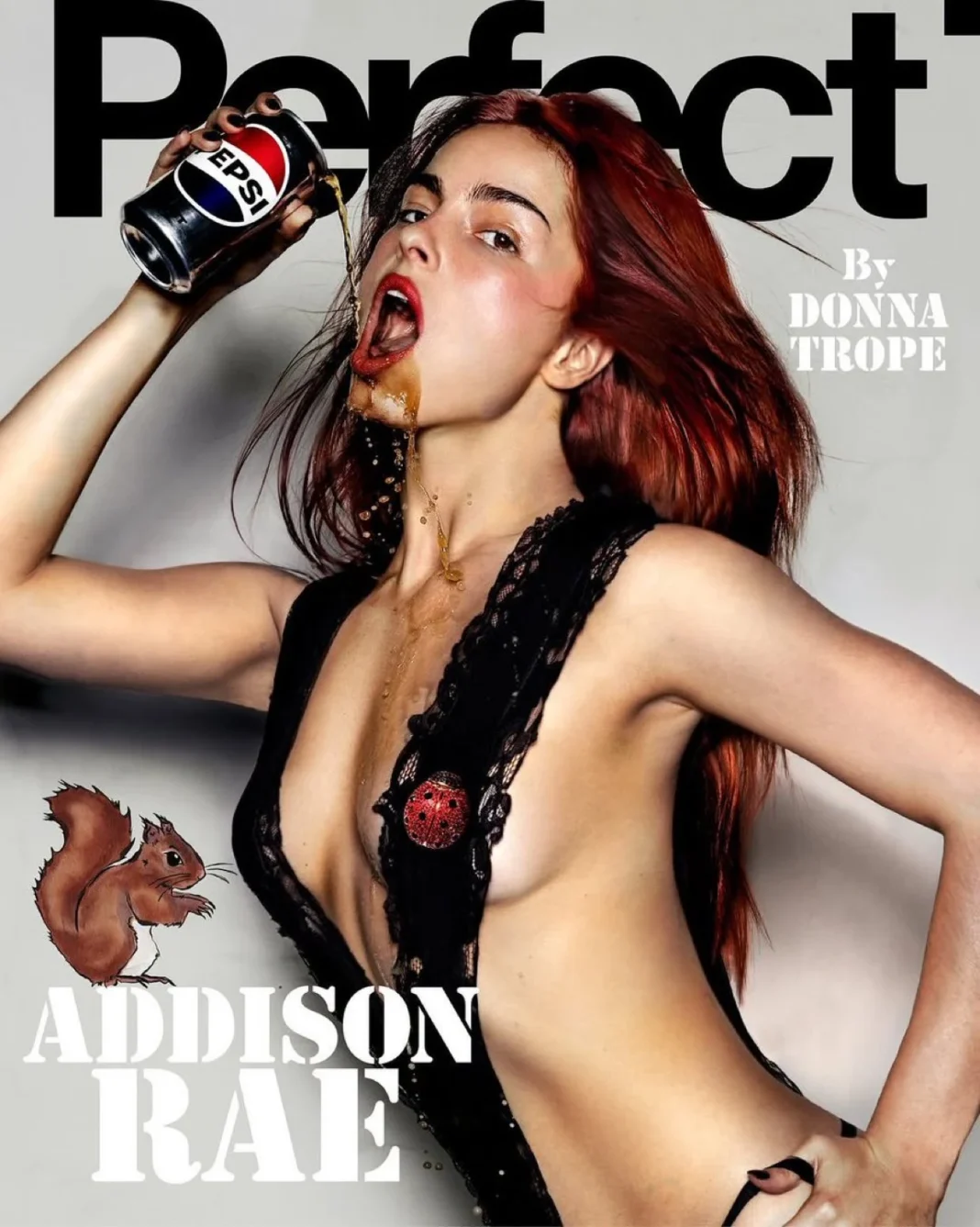
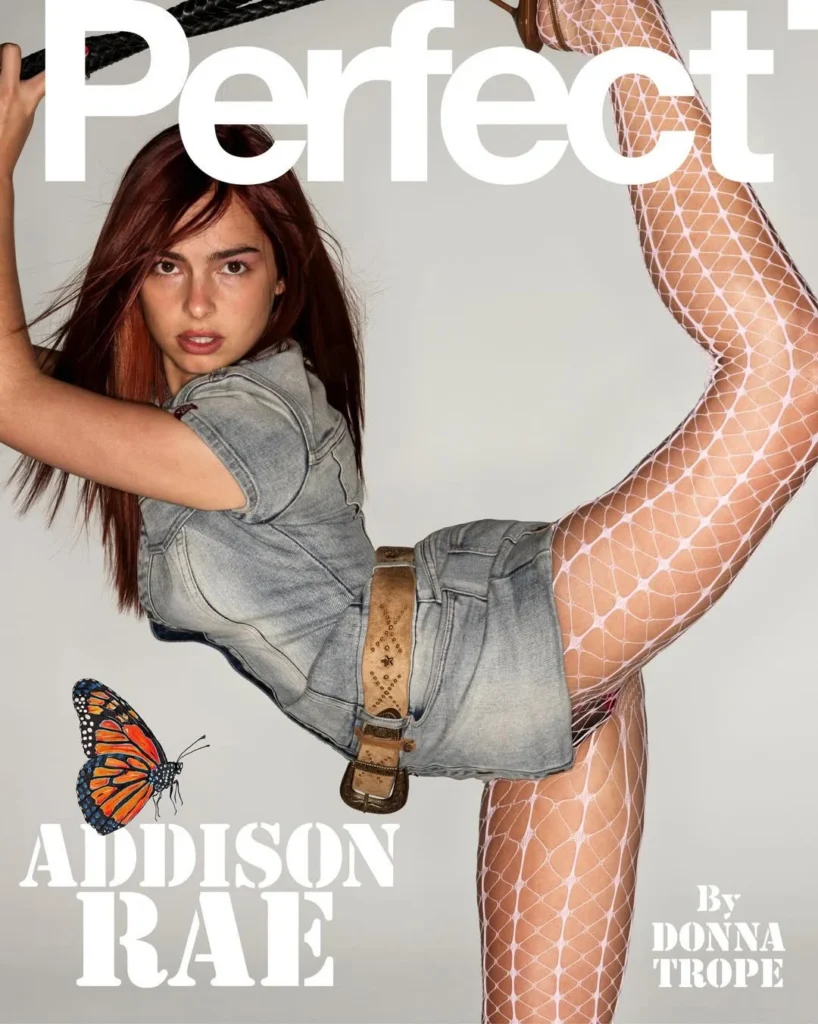
Social media star‑turned‑style personality Addison Rae continues to redefine her fashion identity with a striking appearance in Perfect magazine’s recent feature — this time wearing a bold ensemble from Jean Paul Gaultier. Her look isn’t just another trend piece; it’s a compelling blend of daring design and editorial finesse, one that signals how couture aesthetics and contemporary cultural influence continue to intersect in unexpected ways.
Rather than opting for safe or predictable styling, Rae’s feature celebrates audacity, confidence, and visual storytelling — capturing a moment where fashion feels expressive rather than merely decorative.
A High‑Impact Editorial Look
Addison Rae’s appearance in Perfect magazine placed her squarely in the world of high fashion storytelling. Gone are the days when her style presence was defined solely by social platforms; this shoot felt like a declaration that she’s someone attuned to fashion’s evolving narratives.
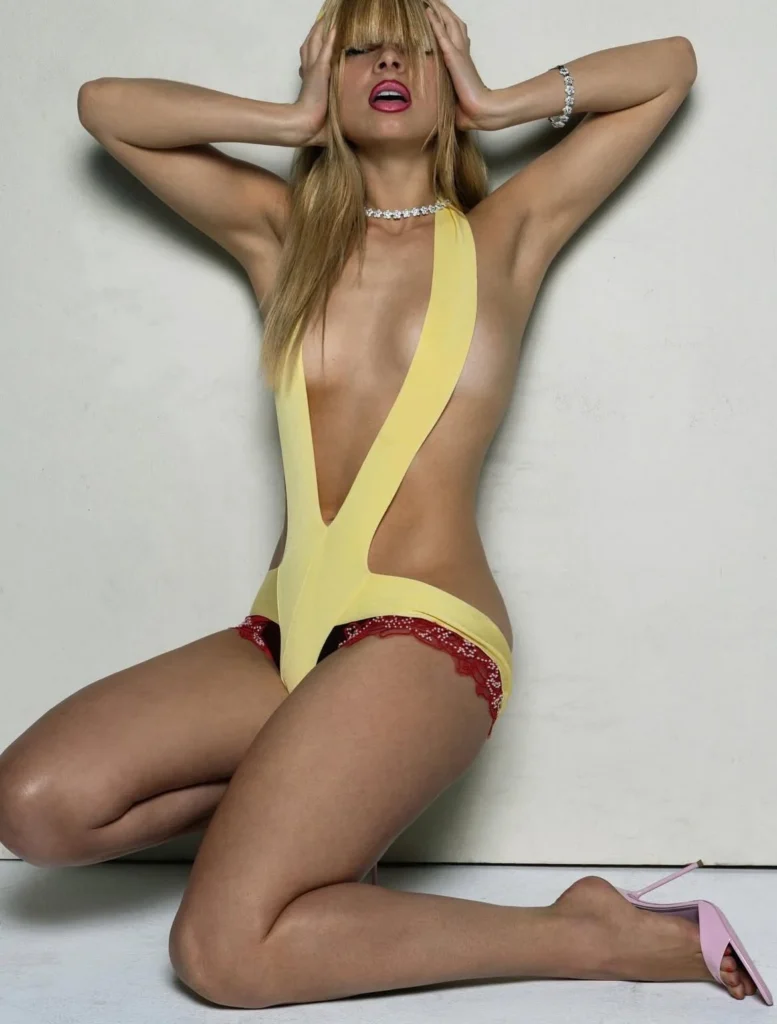
In the feature, Rae dons a sculptural outfit from Jean Paul Gaultier’s 2026 lineup, a design house historically known for bold silhouettes, avant‑garde tailoring, and a willingness to push boundaries. Her look wasn’t about fitting in — it was about standing out. Through visually arresting elements, her styling made a statement that fashion can be art, performance, and personal voice all at once.
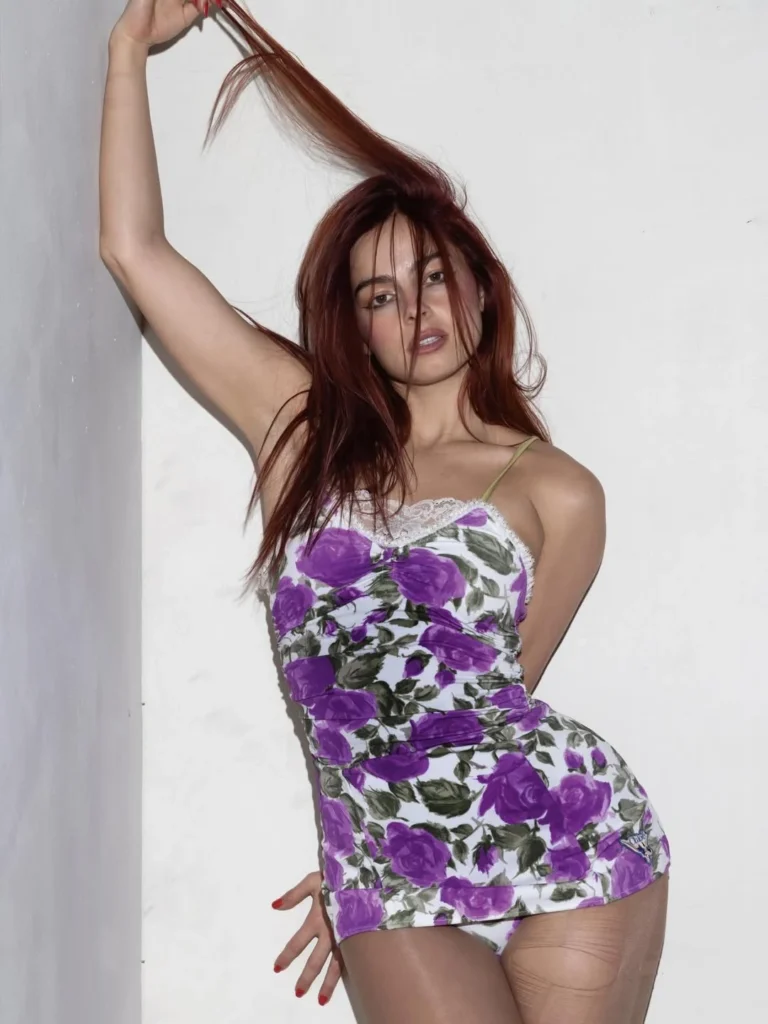
The Outfit: Sculptural Design Meets Editorial Flair
At the heart of the Perfect magazine spread was an ensemble that beautifully played with structure and contrast. Jean Paul Gaultier has long been revered for designs that challenge traditional garment forms — reinterpretations of corsetry, architectural tailoring, and unexpected fabric combinations — and this look was no exception.
The piece featured strong lines and a sculptural silhouette that added dimensionality and visual rhythm. Sharp angles and defined contours around the bodice gave way to softer, fluid elements below, creating a compelling tension between restraint and motion.
Rather than feeling like a costume, the design read as wearable art — a reflection of Gaultier’s legacy as a designer unafraid to blur the boundaries between fashion, architecture, and expressive form.
This approach isn’t just stylistic flare; it’s a visual language that communicates confidence and creative intent. Each seam, fold, and curve contributed to a narrative that felt as powerful in still photography as it would on a runway.
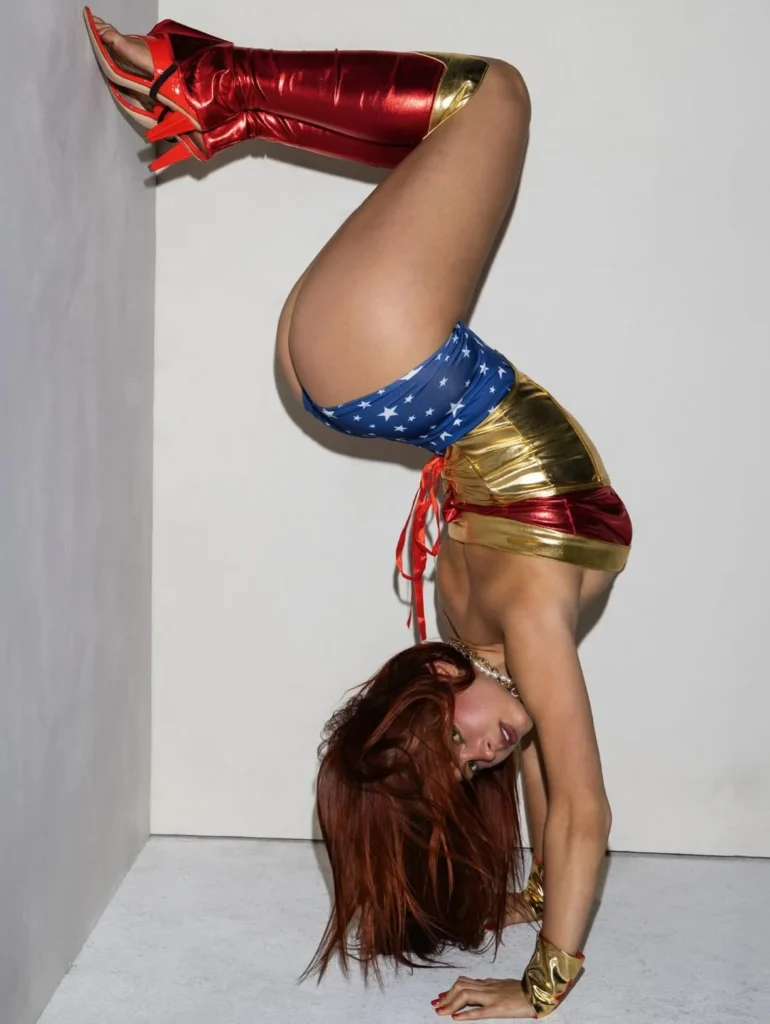
Styling That Accentuated Presence
While the outfit itself carried significant visual weight, the rest of Addison Rae’s styling ensured the overall look remained cohesive and intentional.
Her hair was styled in a way that complemented the outfit’s architectural edge — sleek, sculpted, and refined, allowing the focus to stay on the design’s interplay of shape and shadow. Makeup followed a similar philosophy: polished yet bold, with accentuated features that read well through the camera lens without overpowering her expression.
Accessories were minimal by choice — a strategic decision that reinforced the outfit’s sculptural identity. Rather than competing with the design, jewelry and shoes supported the overall aesthetic by framing the silhouette and elongating the line without distraction.
This way of styling — where the outfit leads and accessories follow — is a hallmark of strong editorial fashion, one that allows thematic clarity to shine in every frame.
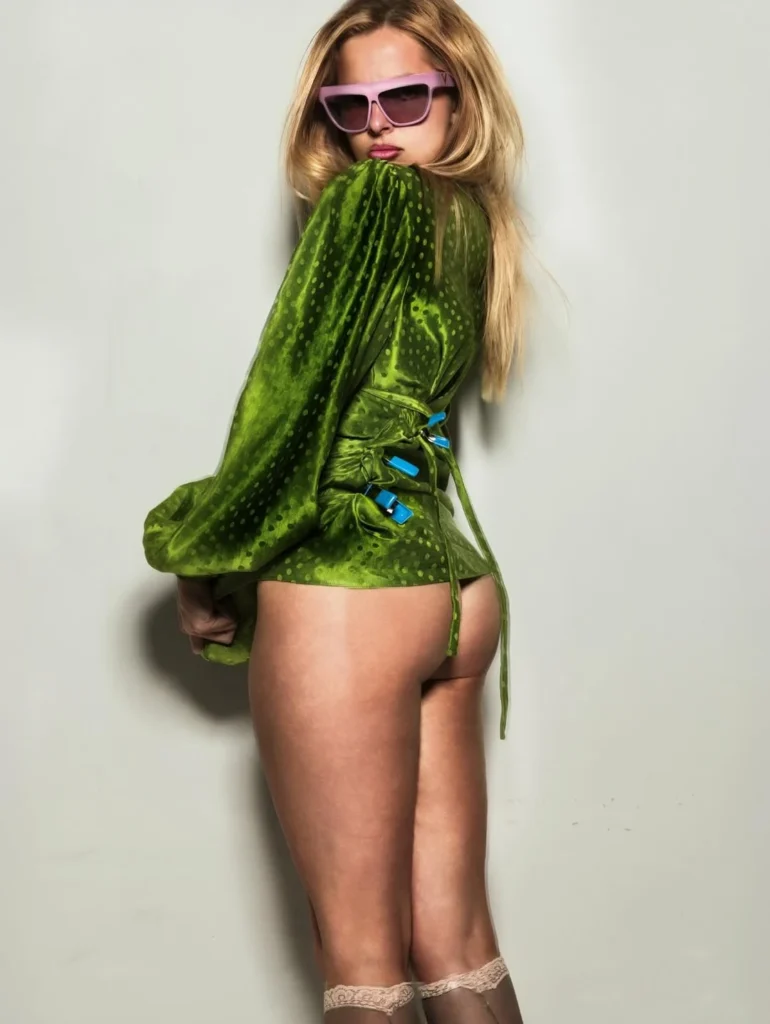
Why This Feature Made an Impact
Several key elements helped make Addison Rae’s Perfect magazine feature with Jean Paul Gaultier especially compelling:
1. Architectural Vision
The sculptural design emphasized form and artistry, making the outfit feel like wearable architectural vision rather than traditional clothing.
2. Confident Expression
Rae’s posing and presence conveyed confidence — a reminder that fashion isn’t just garments, but how they are expressed.
3. Editorial Harmony
Hair, makeup, and minimal accessories all worked to reinforce the design’s impact without overshadowing it.
4. Contemporary Relevance
The look felt of the moment — bold, expressive, and fit for cross‑genre creativity between fashion and culture.
Together, these elements helped transform the photoshoot from a set of stylish images into a visual narrative about identity and presence.
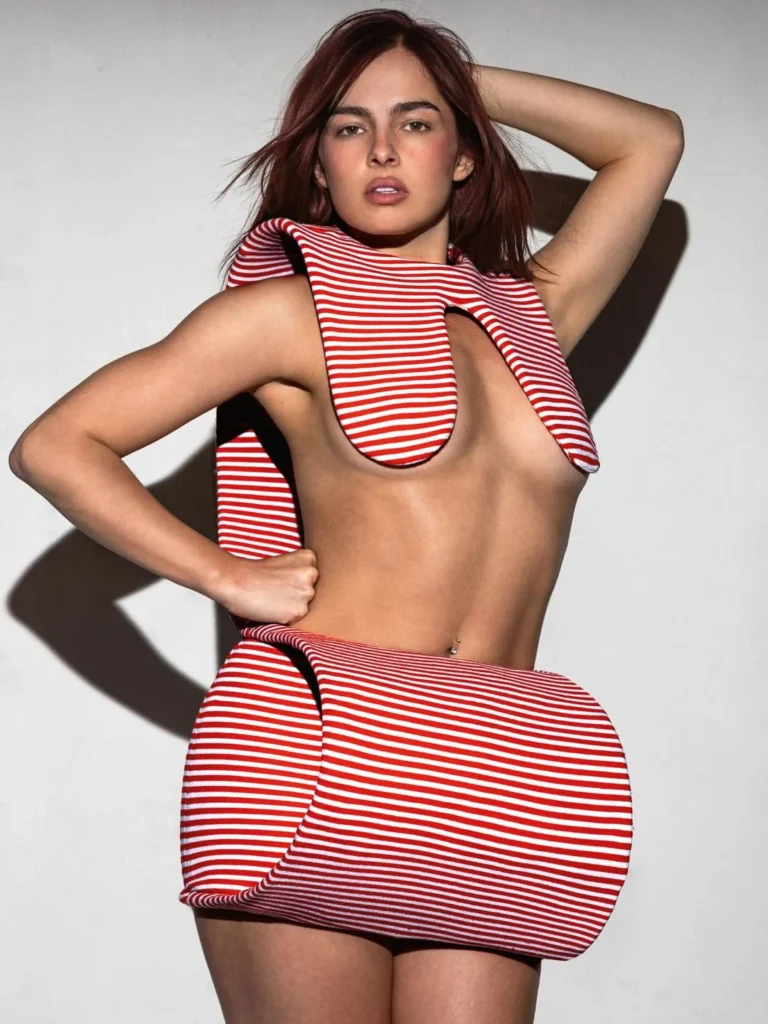
Jean Paul Gaultier’s Continuing Influence
Jean Paul Gaultier’s fashion legacy spans decades — a brand associated with reinvention, bold silhouettes, and a unique voice in couture and ready‑to‑wear alike. Gaultier’s designs are often defined by unexpected details, architectural tailoring, and fearless exploration of form.
By featuring Addison Rae in a Gaultier design, Perfect magazine didn’t just showcase a pretty outfit. It presented an evolution of fashion conversation: how high‑fashion aesthetics can play within contemporary cultural narratives.
In doing so, the editorial suggested that fashion is less about adhering to convention and more about expanding definition — a key tenet of Gaultier’s design philosophy.
The Cultural Resonance of a Bold Feature
This editorial moment matters not only because of the fashion on display, but also because of who is wearing it.
Addison Rae’s presence in high‑fashion discussions signals a broader shift in how fashion narratives are formed. Influencers and cultural figures from digital spaces are no longer simply trend showcases — they are evolving into interpreters and participants in fashion’s ongoing evolution.
Her collaboration in this feature blurred the line between traditional fashion editorial and cultural commentary — a reminder that today’s style icons are not just subjects of fashion, but voices within it.
In other words, the look didn’t simply look good — it meant something.
Final Thoughts
Addison Rae’s appearance in Perfect magazine wearing Jean Paul Gaultier’s 2026 design was more than a striking photoshoot — it was a moment in fashion dialogue.
Through sculptural design, thoughtful styling, and confident presence, the feature demonstrated how fashion can be both expressive and intentional. It served as a reminder that modern style isn’t just about aesthetic appeal, but about narrative resonance — how garments, presence, and cultural identity come together to tell a story.
In a world where fashion and cultural influence increasingly overlap, this editorial wasn’t just visually compelling — it was culturally relevant.
This was fashion that didn’t just adorn — it expressed.