
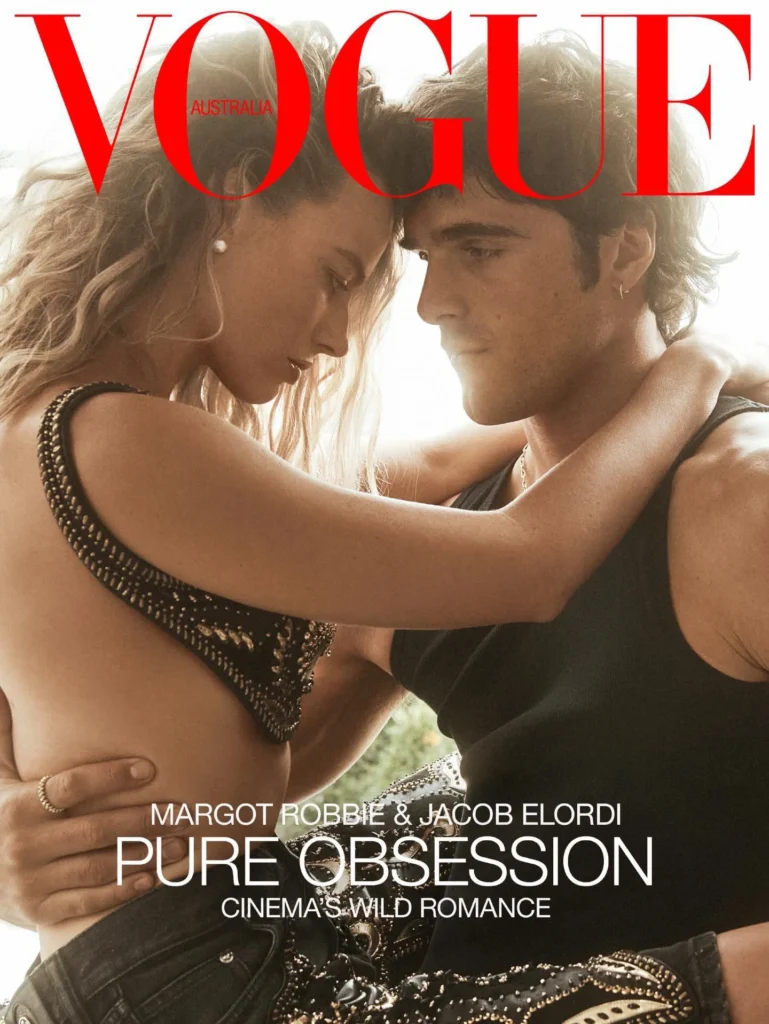
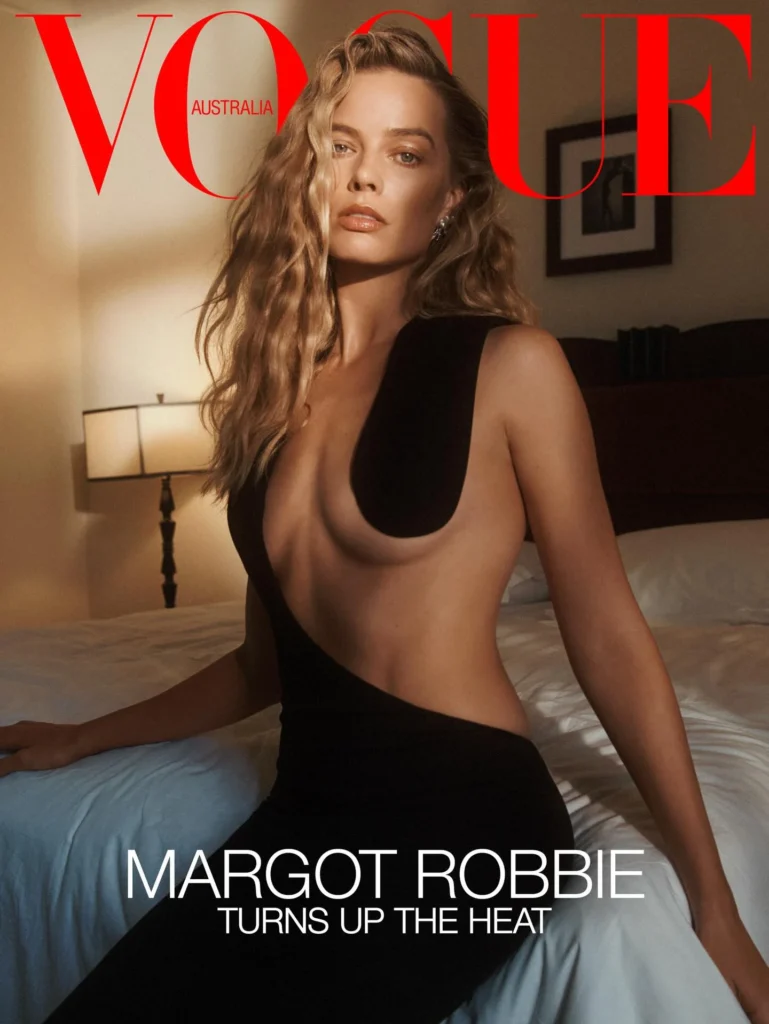
Hollywood stars Margot Robbie and Jacob Elordi have landed the latest Vogue Australia cover in a striking preview tied to their upcoming adaptation of Wuthering Heights. The artistic cover shoot and accompanying feature underscore not only the actors’ dynamic chemistry but also how fashion and cinematic storytelling can intersect in compelling editorial visuals.
Rather than a standard promotional portrait, this cover feels layered: it blends mood, fashion, and narrative tension in a way that echoes the haunting romanticism of the classic story they’re bringing to the screen. With its expressive styling and carefully composed imagery, the editorial captures more than faces — it communicates atmosphere.
A Cover That Channels Story and Style
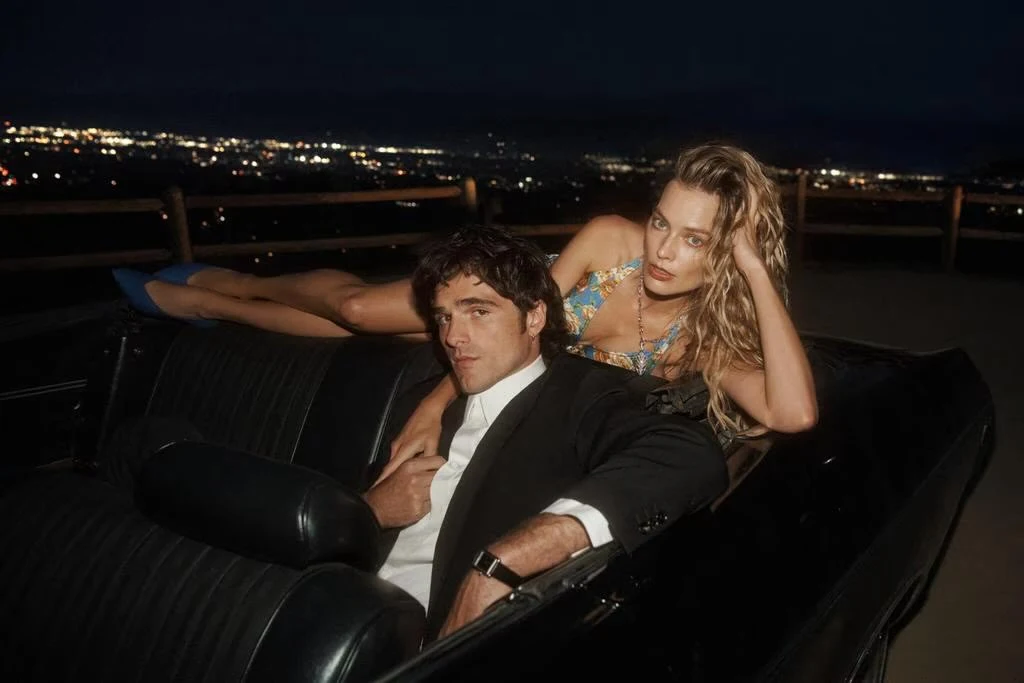
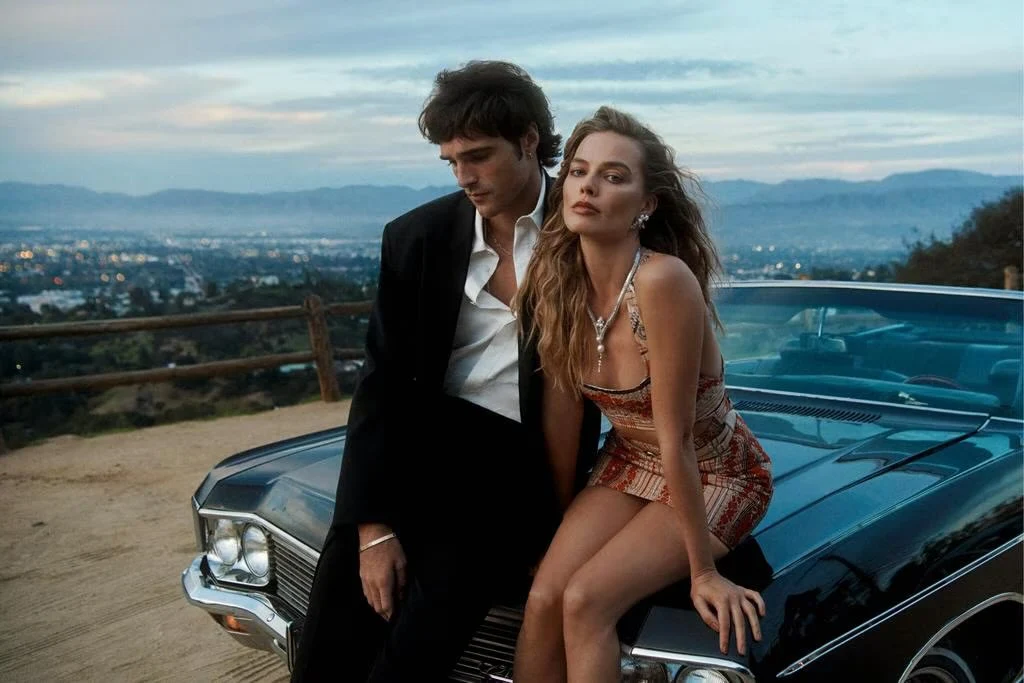
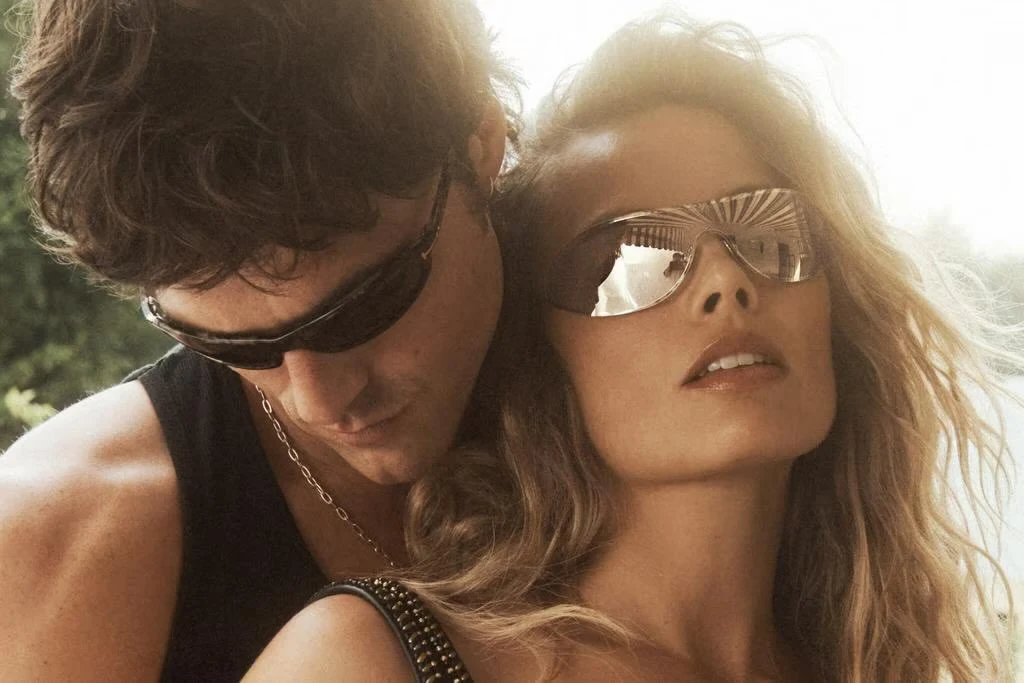
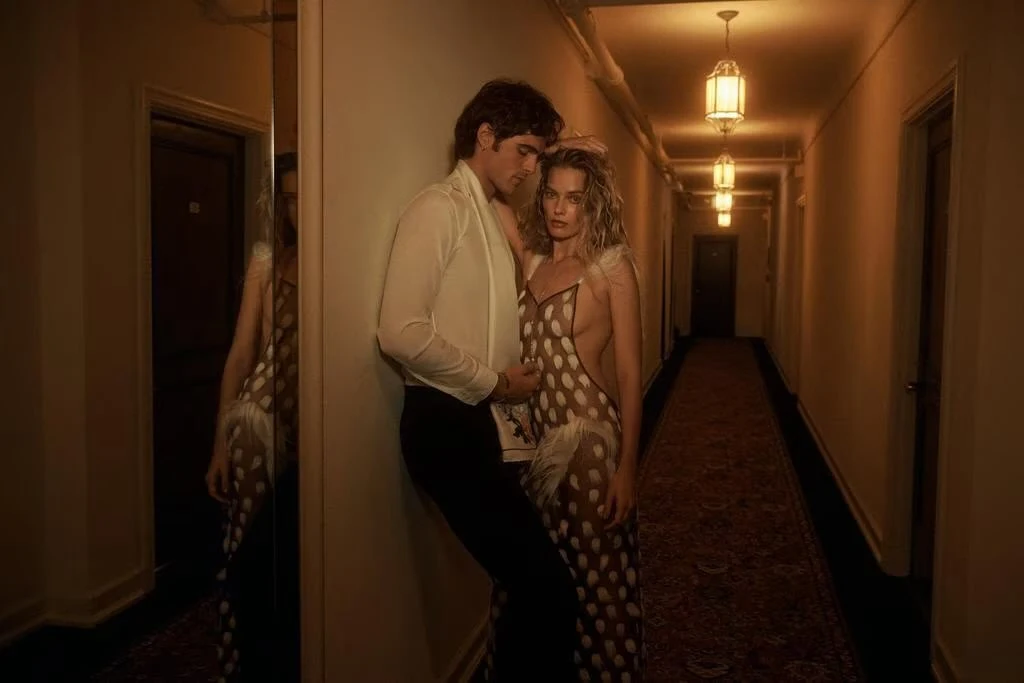
The Vogue Australia shoot finds Robbie and Elordi poised in frames that evoke the emotional world of Wuthering Heights: brooding, intense, and deeply connected.
Instead of traditional red‑carpet glamour — glittering gowns and polished tuxedos — the fashion direction leans toward mood and texture, reflecting a deeper theme of character and story. Clothing, posture, and gaze all feel intentional, as if each frame were a still from an imagined behind‑the‑scenes narrative.
This is fashion as storytelling, where garments and styling become instruments of character and sentiment rather than mere decoration.
Margot Robbie: Poised for Emotional Depth
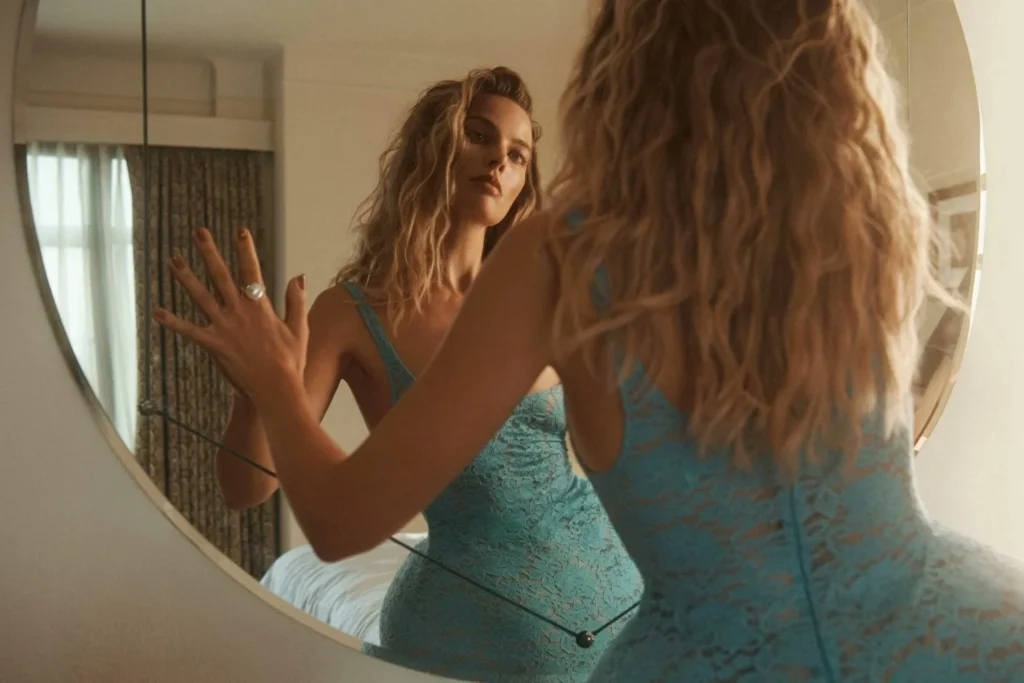
Margot Robbie brings strength and vulnerability to the cover imagery. Her styling evokes classic romanticism while grounding it in contemporary sophistication.
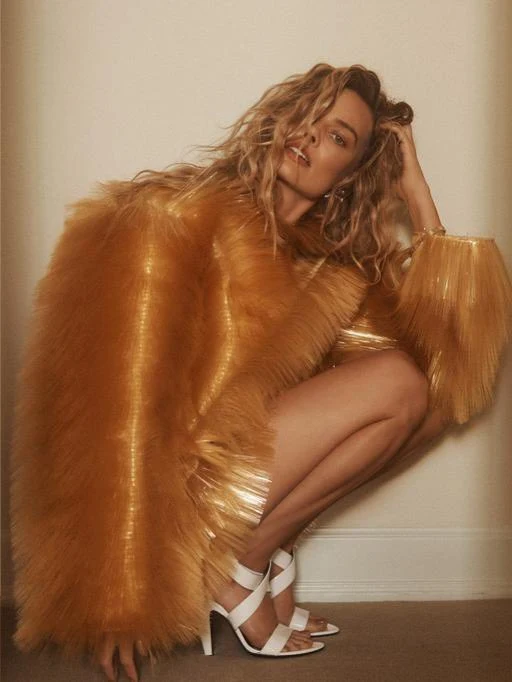
Wardrobe choices for Robbie blended soft fabrics with rich textures, creating an aesthetic that looked both tactile and expressive. Whether draped in elegant layers or framed against atmospheric backgrounds, her presence communicated a layered emotional landscape — reflective, poised, and emotionally resonant.
This was not simply a showcase of garments. It was an expression of mood and depth, suggesting that the fashion choices here were chosen as much for emotional context as for visual appeal.
Jacob Elordi: A Brooding Complement
Jacob Elordi’s presence alongside Robbie added visual contrast and narrative tension to the cover story. His styling leaned into darker tones and structured lines — pieces that felt grounded and dramatic, yet deeply connected to the editorial’s expressive intention.
Rather than playful or lighthearted poses, Elordi’s gaze and posture reinforced the emotional undercurrents in the imagery: intensity, introspection, and a connection that felt both charged and reflective. His presence balanced Robbie’s own visual narrative — two distinct energies forming a cohesive emotional landscape.
This kind of duo focus — where both individuals contribute to a unified visual conversation — is a hallmark of fashion editorials that aim to transcend surface style and enter the realm of character narrative.
Fashion, Mood, and Narrative
What makes this Vogue Australia feature especially compelling is how it marries fashion with mood, story, and emotional texture.
Clothing in the shoot wasn’t just about cut or color — it was about how fabrics move, how textures interact with light, and how garments can frame a story as much as a face. Whether soft layering or structured tailoring, each choice felt deliberate — supporting the thematic weight of the imagery rather than distracting from it.
This editorial understands that fashion doesn’t exist in a vacuum. Instead, it exists in context: in emotion, atmosphere, and presence.
By framing fashion as a conversation with story, the shoot invited readers to see garments not just as objects, but as characters in visual narrative.
The Art of Engagement: Beyond the Surface
In an era where celebrity covers can feel formulaic, this Vogue Australia appearance stood out because it felt expressive, intentional, and layered.
Rather than relying on glossy surfaces or familiar poses, the imagery invited contemplation. It asked viewers to consider presence and connection — not just style.
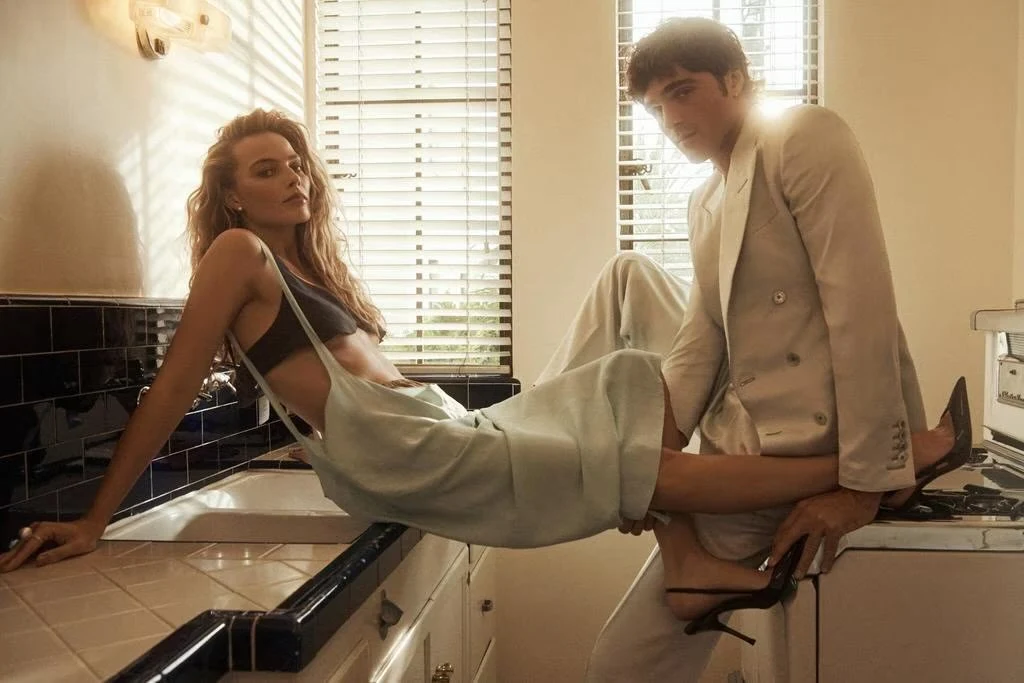
In this way, the editorial worked on two levels. On the first, it showcased Robbie and Elordi as stylish, polished figures — icons of contemporary cinema and fashion. On the second, it operated as a piece of visual storytelling that resonated with the themes of Wuthering Heights: longing, tension, and emotional complexity.
This duality is part of what makes fashion editorials memorable. When clothing, personality, and narrative align, the result feels less like a portrait and more like a story still — a captured moment with depth and resonance.
Why This Cover Matters
Several factors contributed to the impact of this Vogue Australia appearance:
1. Emotional Resonance
The imagery sought to communicate mood as much as style — evoking emotional landscapes tied to the project’s narrative.
2. Narrative Styling
Fashion choices were clearly made to support character and atmosphere — not just aesthetic appeal.
3. Expressive Presence
Both Robbie and Elordi carried presence and intention in their styling and posture, allowing the cover to feel more like a scene than a snapshot.
4. Fashion as Dialogue
The shoot demonstrated that garments can serve as partners in visual storytelling — tools for mood, tone, and emotional nuance.
Together, these factors helped elevate the feature from a traditional cover shoot to a rich piece of visual storytelling.
A Fusion of Film and Fashion
This cover moment highlighted how deeply film and fashion can intersect. Instead of presenting actors in neutral, promotional poses, the editorial chose to embed style within narrative context — using fashion to echo the themes of Wuthering Heights.
The result was a cover that read as cinematic fashion storytelling — bridging the worlds of style editorial and project narrative.
This is the kind of editorial moment that resonates beyond the page. It lives in memory because it feels intentional, expressive, and emotionally textured.
Final Thoughts
Margot Robbie and Jacob Elordi’s Vogue Australia cover for the Wuthering Heights feature wasn’t just a stylish photograph — it was a fashion narrative.
Through evocative styling, expressive presence, and cohesive mood, the editorial communicated more than garments. It told a story: one of connection, intensity, and emotional texture — all framed within the evocative world of fashion and film.
In a cultural moment where celebrity covers can feel repetitive, this one stood out because it meaningfully connected fashion to story — a reminder that visual storytelling lives in mood as much as it does in style.
This was more than a magazine cover — it was a captured moment, rich with atmosphere and artistic intent.